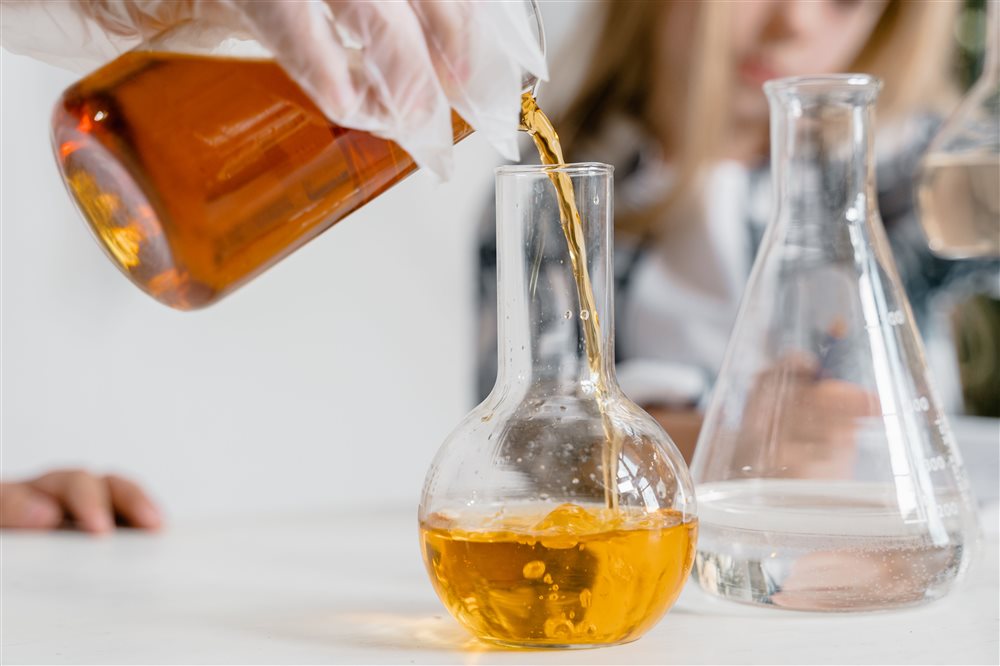
In sand mold casting processes, polymeric adhesives, or binders, play a decisive role in determining the strength, thermal stability, and dimensional integrity of molds and cores. Among these materials, phenolic and furan resin systems account for a substantial proportion of the production of heavy and geometrically complex metal castings.
In sand casting processes, base sands (including silica, chromite, and zircon sands) lack sufficient interparticle bonding on their own to maintain the geometry of a casting under the static and dynamic pressures exerted by molten metal. Therefore, the use of a polymer-based binding phase is essential.
An ideal binder system must satisfy the following process requirements:
- Provide sustained improvements in mechanical strength, including initial strength and final strength at ambient temperature, while maintaining resistance to erosion caused by molten metal flow.
- Resist premature degradation under the thermal shock associated with pouring molten cast iron (>1250°C) or steel (>1550°C).
- Minimize the generation of volatile gases and regulate the rate of gas evolution to prevent gas bubble entrapment in the molten metal.
- Undergo polymer chain breakdown and degradation after the casting has completely solidified, in order to reduce residual thermal stresses, prevent hot cracking, and facilitate the shakeout and sand removal process.
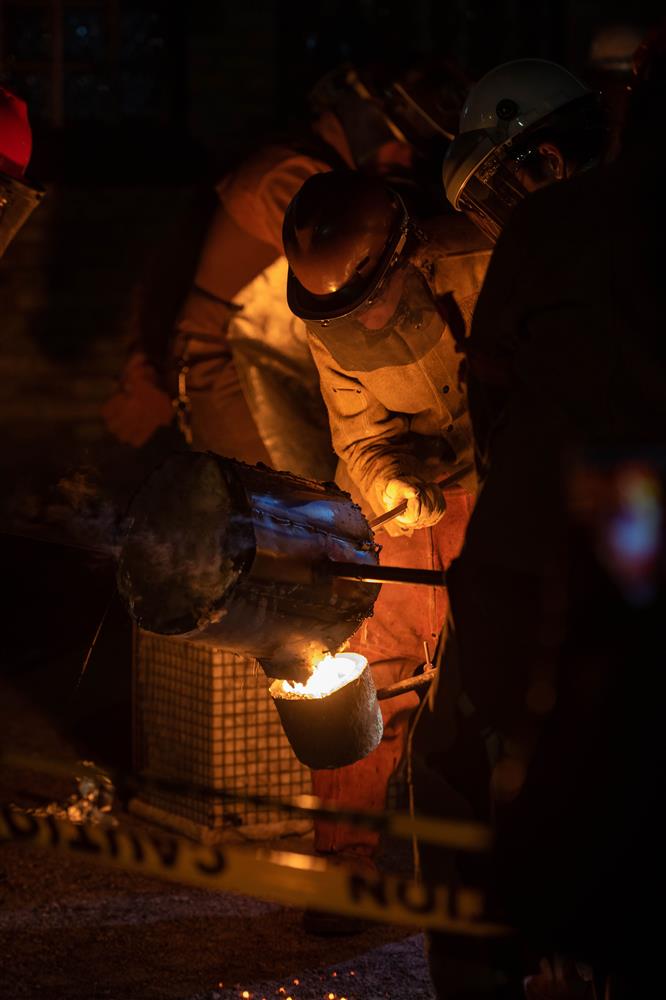
Functional Comparison of Molds and Cores and Their Relationship to Phenolic and Furan Resin Applications
In foundry process engineering, the mechanical functions of molds and cores differ fundamentally.
Mold: The mold defines the external geometry of the casting and must be readily broken down and removed after metal solidification. Molds require high cold and hot strength and, because they define the external surface of the casting, must provide a high-quality surface finish. Furan systems, particularly Furan No-Bake, are the primary choice for producing medium-sized and heavy molds because of their ability to accommodate large mold volumes, their lack of requiring an oven-curing stage, and their high cold and hot strength. The ultimate strength of molds produced with these resin systems can sometimes reach as high as 4,000 kPa.
Core: A core forms the internal cavities, channels, and passages of a casting. It is completely surrounded by extremely hot molten metal; consequently, the thermodynamic and hydrostatic forces exerted by the melt can cause core breakage, displacement, and erosion. In practical terms, a core must be positioned inside the mold, withstand the pressure exerted by the molten metal, and subsequently be removed after casting. Therefore, in coremaking, initial strength and the speed at which the core can be removed from the core box are absolute priorities. In other words, a core must exhibit high cold strength and comparatively low hot strength to promote its breakdown after casting. Surface finish is of relatively minor importance for cores because they define the internal surfaces of the casting.
Phenolic-based systems, such as Phenolic-Urethane Cold Box (PUCB), among others, are generally more suitable for coremaking than furan systems because of their comparatively lower cold strength. However, furan systems are also occasionally used to manufacture large cores. The selection among different phenolic resin systems, however, involves a multi-criteria trade-off among economic factors, production speed, casting dimensions and geometric details, and the expected metallurgical properties.
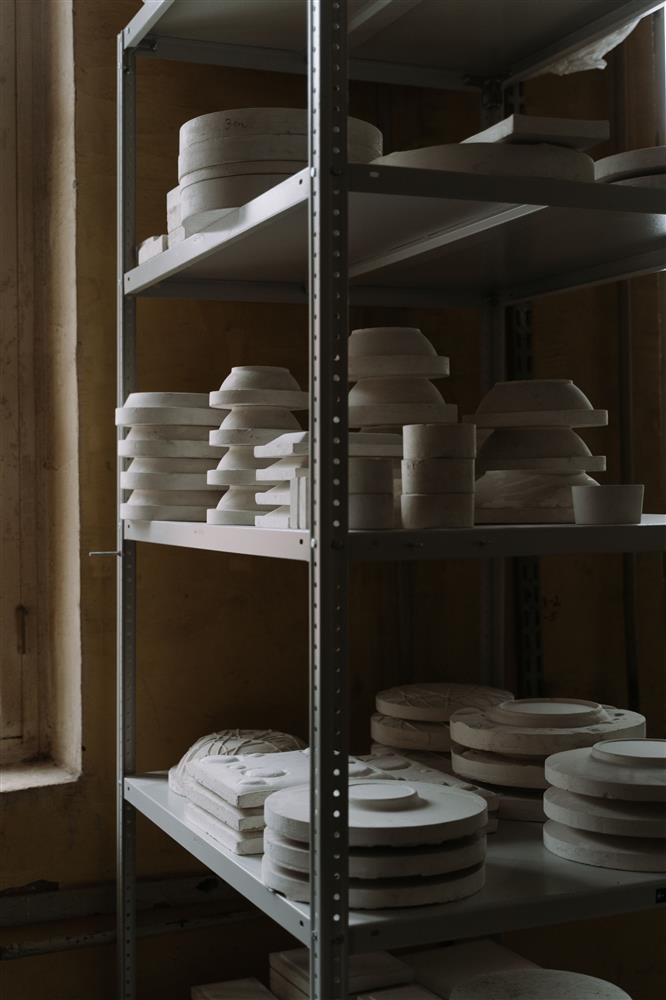
Phenolic Resins
Phenolic resins are produced through the condensation reaction between phenol and formaldehyde. Depending on the molar ratio of the reactants and the catalyst used, two principal categories are formed:
1. Resols
Resols are synthesized at a formaldehyde-to-phenol molar ratio greater than one (F/P > 1), under alkaline catalytic conditions. Because they contain reactive hydroxymethyl groups, these systems can undergo self-curing upon the application of heat or react with acid or ester hardeners.
Resols form the basis of the following major industrial systems:
Acid-Cured Phenolic No-Bake: These resins are generally resol-type phenolic resins manufactured under alkaline conditions and cured at ambient temperature in foundry applications using a strong acidic hardener. This type of resin is less expensive than furan resins; however, its thermal resistance is somewhat lower, and it can be used for cast iron castings.
Phenolic-Urethane Cold Box (PUCB): This is an advanced, three-component system consisting of a phenolic polyol, MDI (methylene diphenyl diisocyanate) polyisocyanate, and a gaseous amine catalyst, such as triethylamine. At ambient temperature, the system hardens in a fraction of a second through the rapid formation of urethane bonds. These resins are suitable for continuous, fully automated, high-volume production lines, such as those manufacturing engine block cores, cylinder head cores, and complex automotive components. In three-component Cold Box systems, Resitan's CB-868 grade is a highly suitable choice for manufacturing small and geometrically complex cores and castings.
Alkaline Phenolic No-Bake (α-set): This system is based on a highly alkaline resol resin combined with a liquid ester activator. It is completely free of nitrogen and sulfur and is therefore an ideal option for casting sensitive alloy steels that are susceptible to hot cracking. Having developed an advanced formulation for its Alpha-set system, Resitan is ready to collaborate with the domestic steel foundry industry and transfer formulation technology tailored to the requirements of individual steel casting production lines.
Carbon Dioxide-Cured Alkaline Phenolic (β-set): This is a single-component system based on a water-soluble alkaline resol resin, which is cured by blowing CO₂ gas through the sand mixture at ambient temperature. Carbon dioxide alters the pH of the medium through a mild neutralization reaction, thereby rapidly curing the resin. These characteristics make the system suitable for casting ferrous and non-ferrous components, including cast iron, aluminum, and copper castings. By eliminating amine catalysts and solvents, this system is environmentally friendly and offers a high level of operational safety. Resitan's CP-100 resin has been developed using a proprietary formulation specifically designed for curing with carbon dioxide gas and represents a suitable alternative to high-risk and polluting systems.
2. Novolacs
Novolac resins are produced at a formaldehyde-to-phenol molar ratio below one (F/P < 1), using an acid catalyst. Their polymer chains lack reactive terminal groups and are thermoplastic; consequently, a crosslinking agent, such as hexamethylenetetramine (HMTA), is required to achieve complete curing.
Novolac resins form the basis of shell molding systems. These products consist of sand precoated with resin, which is brought into contact with a heated mold. The resin subsequently cures and hardens under the influence of heat.
In this process, instead of mixing sand with resin and allowing the mixture to harden at ambient temperature, the sand is first coated with a specified quantity of phenolic resin and then placed against a heated metal pattern. The heat from the pattern causes the resin to soften and subsequently cure, forming a thin, rigid shell of bonded sand around the pattern.
The principal difference between this process and the No-Bake process is that the heat supplied by the pattern plays a critical role in resin curing.
Consequently, this system is used for manufacturing very thin-walled, preferably hollow, dimensionally precise, and intricate cores and shell molds, such as those used for camshafts, pump impellers, and precision hydraulic components. Resitan's SPS 401A novolac resin, characterized by high hot tensile strength and uniform coating of silica sand grains, has been specifically designed for casting this category of components.
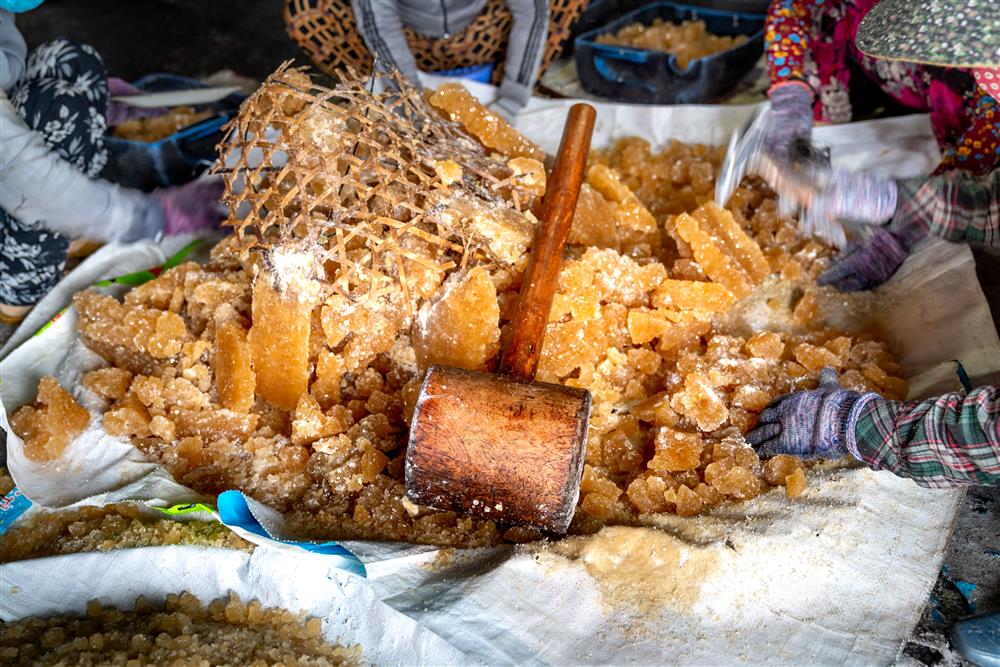
Furan Resins
Furan resins, which are widely recognized for their use in No-Bake systems, are primarily produced through the acid-catalyzed condensation of furan derivatives, particularly furfuryl alcohol (FA). In the presence of a suitable acid catalyst, difurylmethylene bridges form through the elimination of water, leaving behind a highly rigid, carbon-rich heterocyclic polymer chain.
The term No-Bake means that the mold does not require oven curing to harden; instead, the chemical reaction itself causes the binder to harden. The hardeners used for these resins are acidic and most commonly consist of p-toluenesulfonic acid (PTSA).
Furan resins offer several important advantages, including ease of self-setting, good abrasion resistance, and greater ease of sand reclamation compared with CO₂-cured systems.
1. Pure Furan Resins (Nitrogen-Free)
These furan resins contain no urea in their formulations and therefore have a high furfuryl alcohol content. This characteristic provides exceptional thermal stability and eliminates nitrogen from the resin structure. However, these resins are more expensive than modified grades.
They are the preferred option for sensitive steel castings where the objective is to eliminate nitrogen-related pinhole defects.
It should be noted that these resins require PTSA acid at a high concentration or percentage for curing. Where sulfur sensitivity is a concern, particularly in ductile iron castings, this factor must be taken into consideration.
2. Urea-Modified Furan Resins
These furan resins are produced by reacting furfuryl alcohol with urea to reduce overall production costs, increase reactivity, and adjust viscosity. Depending on the amount of urea used, the resulting resins exhibit different levels of reactivity and nitrogen content, which in turn determine their suitability for different alloys.
By developing its CF series, Resitan has provided an appropriate range of these binders for different operating conditions:
- Low-Nitrogen Grade (CF-306): Optimized for casting various grades of ductile iron and steel alloys, with the lowest possible risk of gas bubble formation.
- Medium-Nitrogen and Economical Grades (CF-306.3 and CF-308): Formulated with adjusted nitrogen contents for gray iron and general-purpose castings, with the objective of improving setting speed and reducing the overall binder cost.
3. Phenol-Modified Furan Resins
These resins are produced through the copolymerization of phenol with furfuryl alcohol without the use of urea. This modification improves abrasion resistance and thermal stability while preserving a nitrogen-free structure (Nitrogen-Free).
References
- ASM International. (2008). ASM Handbook, Volume 15: Casting. Materials Park, Ohio.
- Beeley, P. (2001). Foundry Technology (2nd ed.). Butterworth-Heinemann.
- Archibald, J. J., & Smith, R. L. (1988). Resin Binder Processes. In Metals Handbook (Vol. 15, pp. 214–221).
- Stachowicz, M., Granat, K., & Nowak, D. (2011). Effect of hardening method of water-glass on selected properties of molding sand. Archives of Foundry Engineering, 11(3), 197–202.
- U.S. Patent No. 6,391,942. (2002). Furan No-Bake Foundry Binders.
- U.S. Patent No. 6,429,236. (2002). Acrylic-Modified Phenolic-Urethane Foundry Binders.
- World Intellectual Property Organization. (2001). Furan No-Bake Foundry Binders and Their Use (WO Patent No. WO2001081024A1).